

Hopefully, the temperatures will be cooling starting in October and the rains will diminish. October begins our dry season. The weather should be much more comfortable to get out and clean up the areas you left alone because it was too hot outside to work.
The shortening days of fall have a special effect on popular seasonal plants like poinsettias, Christmas cactus, kalanchoes and chrysanthemums. They start producing their flower buds at this time. Make sure that these plants don’t receive any night light, or they may not bloom.
OCTOBER’S CHECKLIST:
• Once summer’s rains diminish, supplemental watering will be required for new plantings.
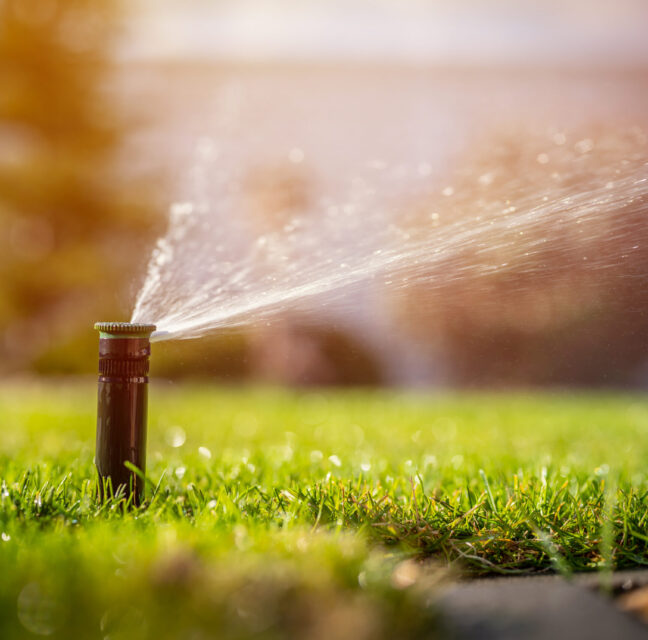
• Check your irrigation system’s coverage. Whether from Mother Nature or from irrigation, the total amount of water in a 7-day period should be 1–1.5 inches. Watering twice a week is optimum.
• Temperature-wise, it’s a great time to plant annuals, perennials, herbs, shrubs and trees – but rainfall is not reliable. Be sure to ask the nursery for plants that are highly salt tolerant. For those living east of the “T” Intersection of Cape Cole and Islamorada, selection of plants should also include those that are cold tolerant. There’s a very good reason the Section 22 Landscape Committee installed juniper and Indian Hawthorne on the berm extensions at the front gate…the coldest winter temperatures will hit there.
• For a list of appropriate plants, you can find the “Burnt Store Marina: Landscaping Plants” document on the http://www.bsm22.org website. Click on Documents & Forms > Landscape Committee > BSM Landscaping Plants.
• Apply a high quality slow-release fertilizer to your turf, trees (including fruit-bearing and palms), shrubs, herbaceous perennials and annuals.
• When the temperature is below 80-85 degrees, apply herbicide to your turf to kill weeds. Look for sod webworm infestations and treat accordingly
• October is the time to refresh your flower beds. Organic mulch breaks down to enrich our crummy soil with nutrients, adding fiber to retain moisture and texture for roots to grab onto and aerate the soil. Be certain your organic mulch isn’t building up year after year. Rake and break it up to redistribute it.
• Rocks are becoming a new trend. Though they do not help to make better soil, and can increase the soil temperatures, they create a fresh, clean look. If you decide to use them, the optimum depth is 2–3”.
• Palm Demise – A soil-borne fungus that kills a variety of palms is ganoderma butt rot. Older fronds will droop and hang parallel to the trunk, new growth will be smaller and pale and the new spear will die before opening up. Look at the base of the tree for the shelf-like conk or fungus. There is nothing that can be done to turn this around. Eventually, the palm will die. It should not be replaced with a palm of any type.