


Heat and humidity will continue with the arrival of August. We can expect rain and thunderstorms for about two thirds of the month. Everything is growing rampantly…ornamental plants, weeds, fungus and critters. Now is when you must do frequent checks to see how the garden is faring. It’s amazing what can happen, seemingly overnight.
We’re in the middle of hurricane season and if you are feeling anxious about nearby palms, trees and large shrubs – think before you prune! Only remove branches and fronds that are dead, weak or diseased. “Hurricane” cuts are not beneficial and can actually compromise a palm. Radical pruning in palms weakens them by exposing the growing bud to the elements and reducing their ability to photosynthesize. Palms with the most fronds survive high winds best. Trees and large shrubs that are severely pruned produce weak, clustered growth that is easily broken.
AUGUST CHECKLIST:
• Do your ornamental plants look a little pale? Lots of rainfall leaches the soil’s nutrients. Feed the soil with a high quality, slow-release fertilizer with micronutrients. However, no nitrogen or phosphorous should be applied during the rainy season by Florida law.
• Pruning – You may have noticed your tropical plants have doubled in size since you looked at them yesterday. This is their time of the year. It’s OK to do some pruning now and not wait until the usual fall pruning, but be judicious. Do not prune out more than one third of the growth.
• Turf – Be watchful for damage caused by both chinch bugs and white grubs. Apply an approved insecticide for our high summer temperatures.
• This is the last month to put in new plants and still be able to take advantage of the rains. Native plants are best because of their adaptability. Remember to put in plants with their crown just above the ground level and then mulch. But keep mulch away from the stem or trunk – it will cause rotting.
• Even tried and true plants will struggle with pests and diseases. Know when a plant is in trouble, identify the culprit, determine the amount of possible damage and the possible solutions. Chemicals aren’t always needed. For example, if you see small black grasshoppers chewing on your crinums…knock them off and stomp on them. This is quick and effective. If you wait until they mature into the very large and colorful adult lubber grasshopper, there isn’t a chemical that will work…and they’re tougher to catch and messier to squash. A few aphids on new growth? Prune out the eating zone or go back to squashing with your gloved hand. The birds are also quite effective at eliminating insects.
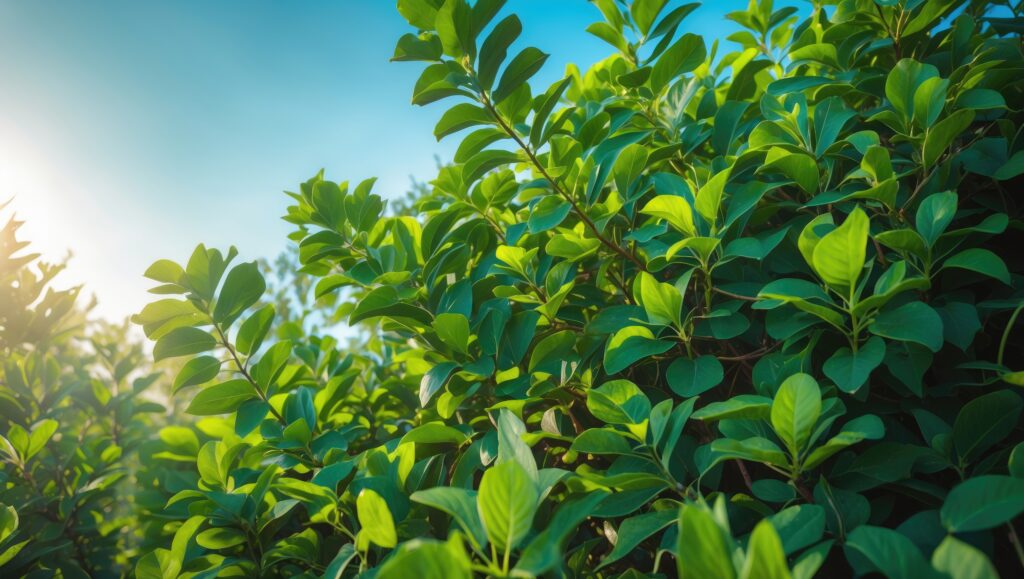
Plants that like the heat, like ginger, bird of paradise and ixora are thriving now, looking their best and adding color to your landscape. Heat-loving greenery includes natal plum, philodendron and sea grape. These are the ones you want to plant to keep your landscape attractive all year.