

Many of our Burnt Store neighbors are preparing to head north for the summer. With the upcoming hurricane season, whether we are here or not, we need to prepare. Last year we were for fortunate, and the weather guessers are saying this year will be a “normal season,” whatever normal is. It is time to start preparing the protecting your homes.
This month, we are focusing on what has become a significant concern for homes and parking lots. Lithium Ion powered vehicles, commonly referred to as EV’s. In this month’s Beacon, we will delve into preparing your homes and property to do all that can be done to minimize damage from winds and flooding.
In the last few years, cars, golf carts and Ebikes have become more and more common, being powered with Lithium-Ion batteries. These power sources have proven to be the choice of EV manufacturers due to their reduced weight, longer power storage, and the batteries not learning the power cycle, and shortening the life of the battery. An added benefit is not having to add water to battery acid, and the inherent dangers of doing that. However, the Lithium-Ion batteries come with a significant risk, fire hazards.
The National Fire Protection Association (NFPA) is proposing standards for governments to follow regarding these power sources due to their fire hazards. Some of these include; prohibiting storage of Ebikes in multi-story residential buildings, prohibiting parking under residentials living units, such as multi-story apartments and condos, and many more. Though none of these are code yet, they are being considered for future implementation nationwide.
You may ask yourself, what does this have to do with me? The answer is, more and more fires are happening in garages of homes and parking structures from EVs. A byproduct of these fires is, they can burn at a very high temperature; 1,700 hundred degrees is not uncommon, and can be incredibly hard to extinguish. The high temperatures can cause devastating structural damage due to the generated heat.
Again, you may ask yourself, why do I care? Look around the marina. Golf carts and Ebikes are everywhere. Also, there are many electrically powered vehicles. On a positive note, hybrid vehicles that are recharged by driving, not plugging in to an electric line, do not seem to pose the same threat, or at least as much of a danger.
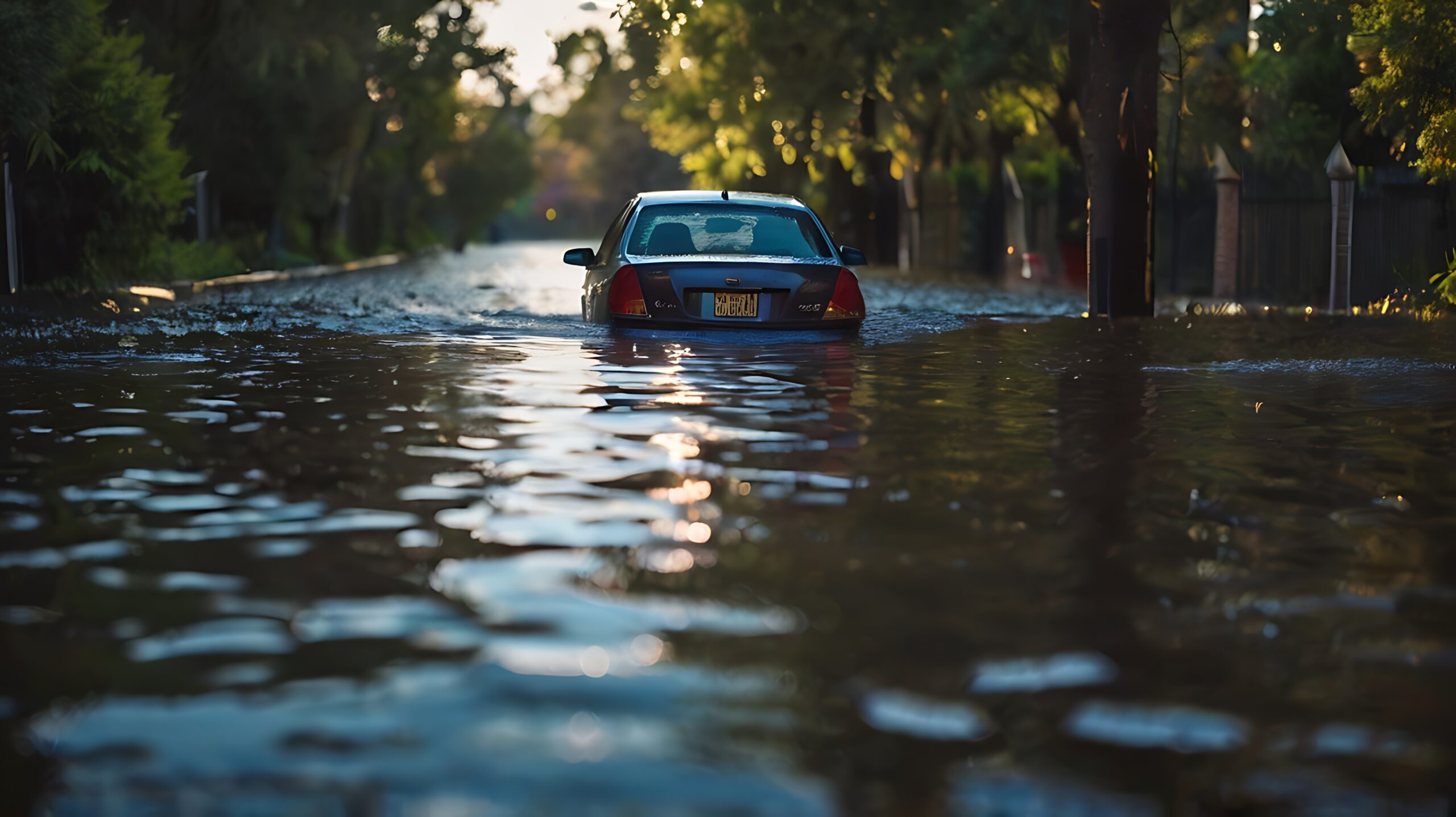
What can and should you do? If you are not here, and your home or parking area has been subject to flooding in the past, arrange to have your home watch move the vehicle to a safe parking spot. During Hurricanes Helene and Milton, many Burnt Store Marina EV owners parked their carts in the golf course parking lot due to its’ distance from water and lack of history of drainage flooding. If the EV is left in a garage, your home watch must check the vehicle as soon as the weather clears for any sign of flooding or water intrusion into the EV. Immediately unplug the vehicle. If there is evidence the EV had water get into the battery or charging system, the EV must be removed from the garage or parking area that is in proximity to structures or vehicles. If submerged or it appears there was water intrusion, call your insurance carrier immediately. In recent storms, it was found that there are companies that will come and remove these potentially damaged vehicles to minimize chances of fires or other damage. Doing these few things can protect your property, and the property of those around you.
If you have an electrically powered vehicle, what else should you do to protect your property? The following tips come from HurricaneStrong.org, which is the Federal Alliance for Safe Homes.
▪ Follow manufacturers’ guidelines to charge your electric vehicle, and use ONLY charging devices certified by a nationally recognized testing laboratory, which is certified by OSHA. Chargers provided by manufactures should have the certification label on them. Secondary suppliers of chargers may be a gamble.
▪ Stop using your vehicle and call 911 if you notice an odor, color or shape to the battery.
▪ If your electric vehicle has been exposed to, submerged or damaged by water, do not attempt to charge the vehicle. Do NOT store the vehicle indoors, or within 50 feet of a structure. The vehicle should not be used until checked by a certified repair shop and deemed safe. (Author’s note; After Milton and Helene many carts and cars were submerged. I have yet to hear of a service shop that would deem any safe to reuse).
▪ Damaged Lithium-Ion batteries can heat up uncontrollably, resulting in fires, off-gassing and explosions.
If you have questions relating to best practices or other safety concerns, you can call the local fire department, or your insurance carrier. They are both dedicated to protecting your life and property and minimizing potential damage.
Let’s hope we have a mild season again this year. It is important to remember an old adage: Proper Planning Prevents Poor Performance. In this case, proper planning can save your property and maybe even yours or others’ lives.